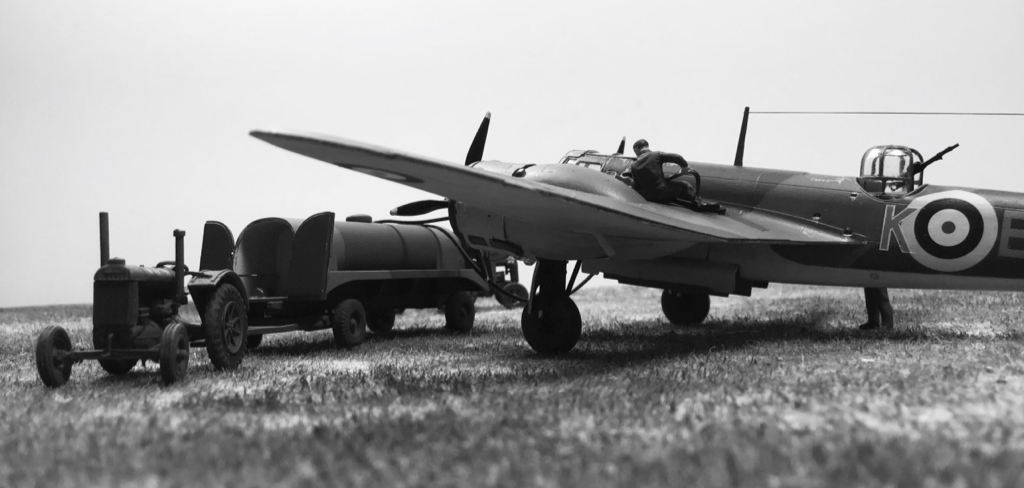
I have made reference to my obsession before. This is a rather lengthy post, for which I apologise. It does, however, explain what my obsession is. Please don’t feel obliged to read it all. I won’t mind if you skip it!
What is my obsession?
In the late 1970s I attended a comprehensive secondary school. It was about the time that we teenagers were being encouraged to think about the world of work. My hope was to leave school and enlist in what was then the Women’s Royal Air Force and go into Air Traffic Control. (This didn’t happen in the end. Life took me in a very different direction.) The history syllabus at the time covered British history from the start of the Industrial Revolution through to the end of the Second World War. It was this history syllabus that led me to the events of the summer of 1940. I chose the Battle of Britain as my CSE History coursework project.
Over forty years on and the Battle of Britain is still the central interest behind my obsession. About twenty years ago, a friend who was involved in a local museum, asked me if I’d like to build some models for a proposed Battle of Britain display. Our original plan was simple: acquire and build kits of the main types that took part in the Battle of Britain, with a local connection where possible. The collection began with the obvious ones: Spitfire, Hurricane, Defiant, Blenheim; Bf109, Bf110, Ju87, Ju88, He111, Do17… Sadly, the project came to naught, and we lost touch with each other. I kept the models I’d already acquired, and the seeds of my obsession were sown.
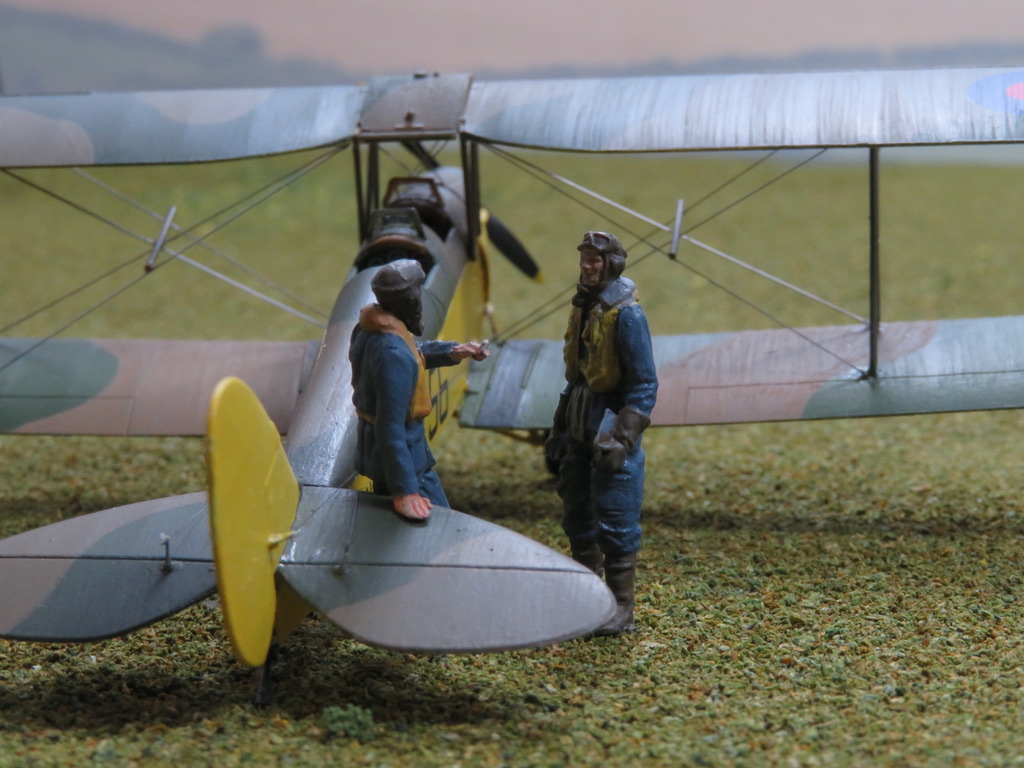
As my research went on, I realised that the Battle of Britain wasn’t just RAF Fighter Command against the might of the Luftwaffe. Other RAF Commands were also doing their bit, bombing occupied airfields, disrupting invasion barge concentrations, patrolling shipping lanes and so on. This led me to the realisation that the “standard” historical view of the Battle being a David and Goliath kind of thing was false. When you added in the other RAF commands, the odds were pretty much evened up on both sides. So, my obsession now needed to include models beyond Fighter Command.
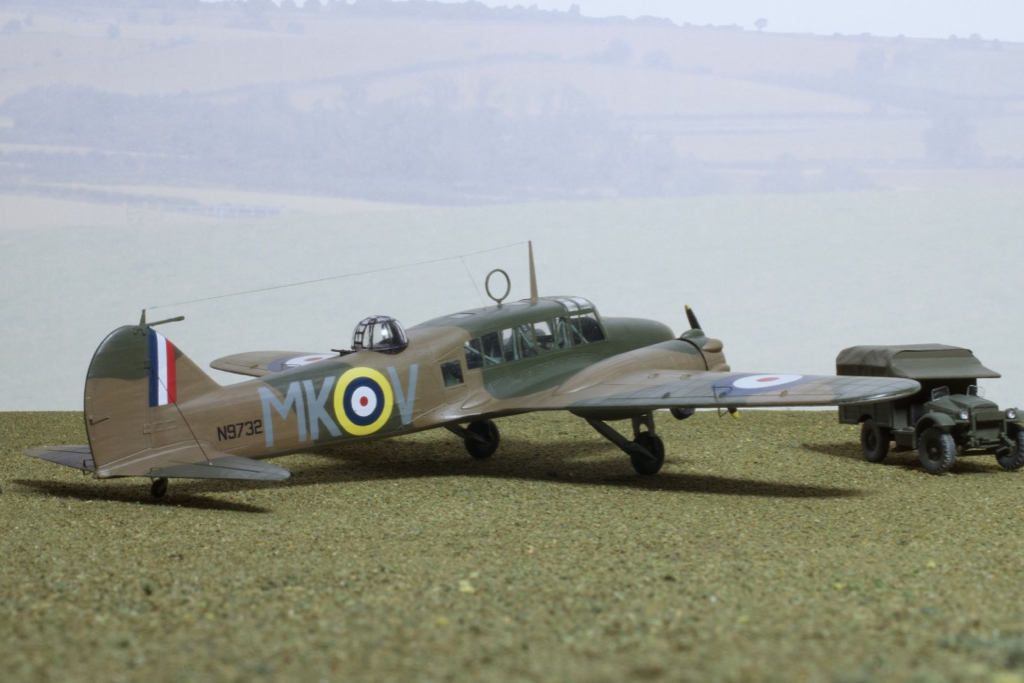
The plan was updated. Now I wanted to collect models to represent at least one of every aircraft type operational in offensive, defensive and supporting roles, during the traditional Battle of Britain period of 10 July to 31 October 1940. I then decided to include the night Blitz, with a cut-off point at the end of December 1940 – the Blitz continued into the spring of 1941, of course. As an aside, German historians consider the Battle of Britain period to continue into the spring of 1941, concluding at the time Hitler turned his attention to the East.

And so I headed off into a fascinating rabbit hole of research. Firstly, finding out which types were operated by which units and when, and secondly, whether a kit in the right scale was available. I concentrated at first on the British and German aircraft, with Bomber Command planes to help balance up the British side a bit.
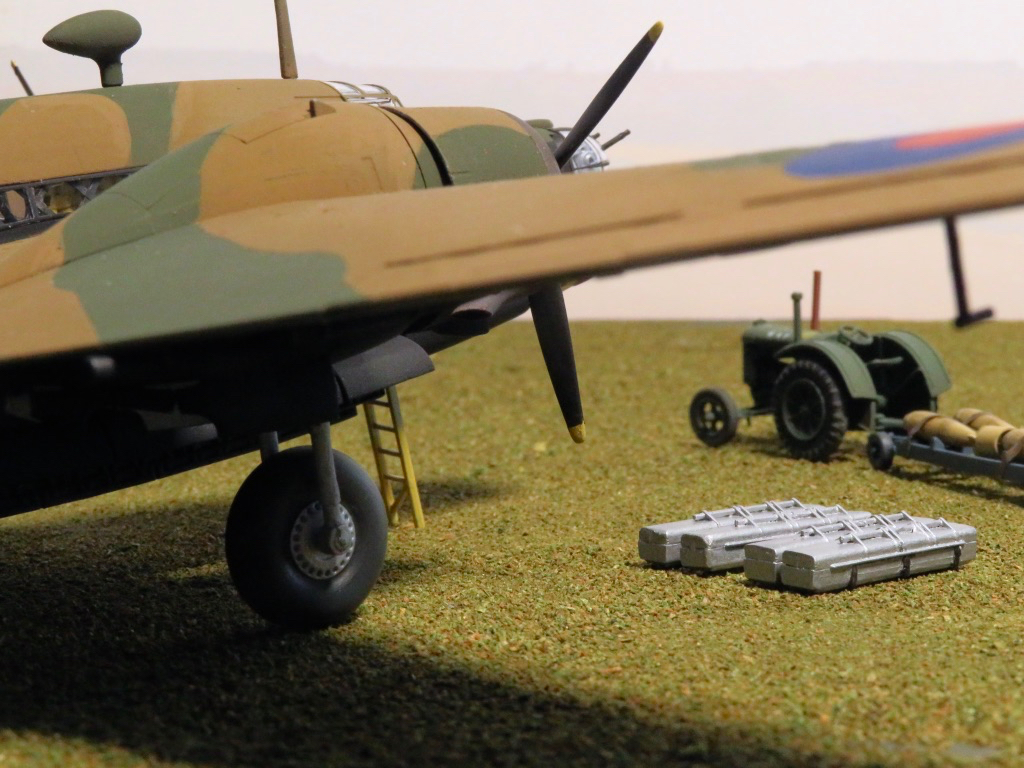
The rabbit hole began, inevitably, to get deeper. If Bomber Command, then why not Coastal Command? And if Coastal Command, what about the other RAF Commands? How about the Fleet Air Arm, which boasted two squadrons on the official Order of Battle? What about ancillary and supporting aircraft on both sides? Should I include the Italian Air Force’s brief entry into the Battle?
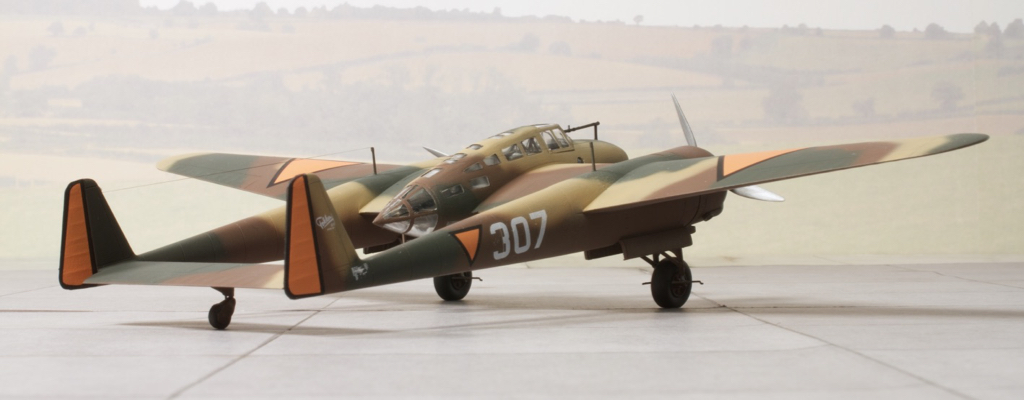
Of course, in the way these things happen, I noticed I was also becoming interested in the events that led up to the Battle. Before long, I had made the decision to cover the whole of 1940, January to December, and not just the Battle of Britain in isolation. The Norway campaign, Phoney War, Blitzkrieg, Battle of France, Operation Dynamo, Battle of Britain, Blitz, the attack on Taranto and so on, are not independent events. They have been parcelled up by historians to keep the messy history in some sort of order. There is often significant crossover, one event causing or leading seamlessly into the next. 1940 was a year when you could begin to see the tectonic plates of war moving and settling into place, laying the foundations for the conflict that would culminate in the Allied victories in Europe and the Far East five years later.
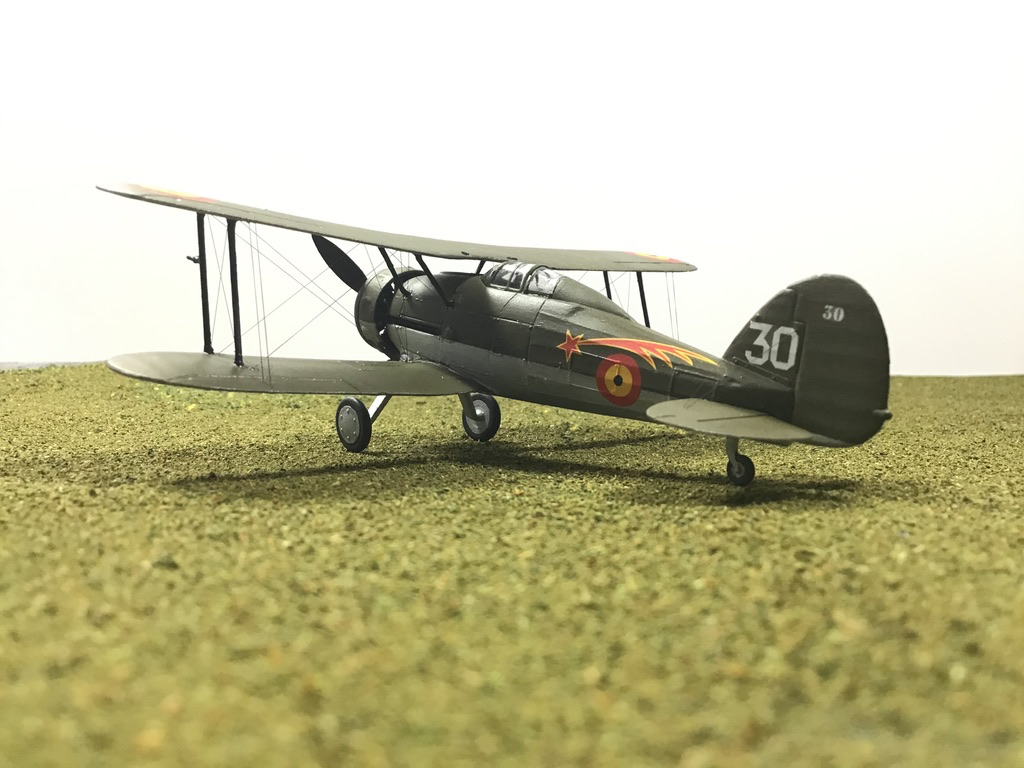
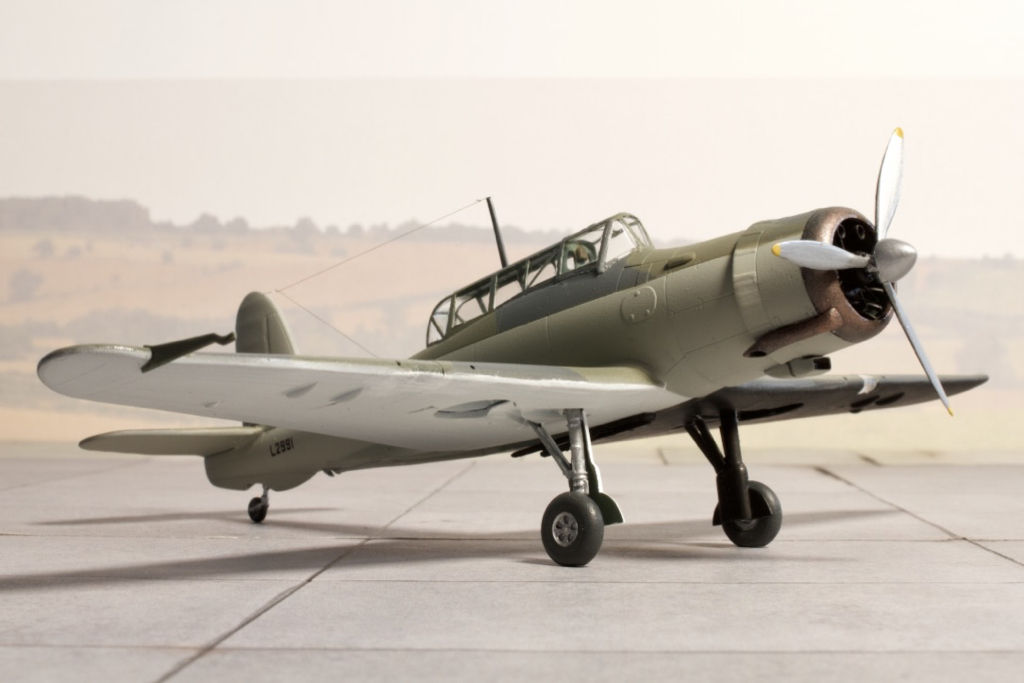
The obsession settles down
In an effort to avoid getting too carried away, I’ve currently restricted myself to the North Western European Theatre. This means I’ve headed off on a fascinating journey of discovery, with French, Belgian, Dutch, Norwegian, as well as Swedish, Finnish, Russian and perhaps even Irish aircraft in the frame. The Mediterranean and North African theatre is currently off limits, but once I’ve exhausted my current build programme – sometime around 2035 at this rate! – I shall begin to research that theatre in more depth.
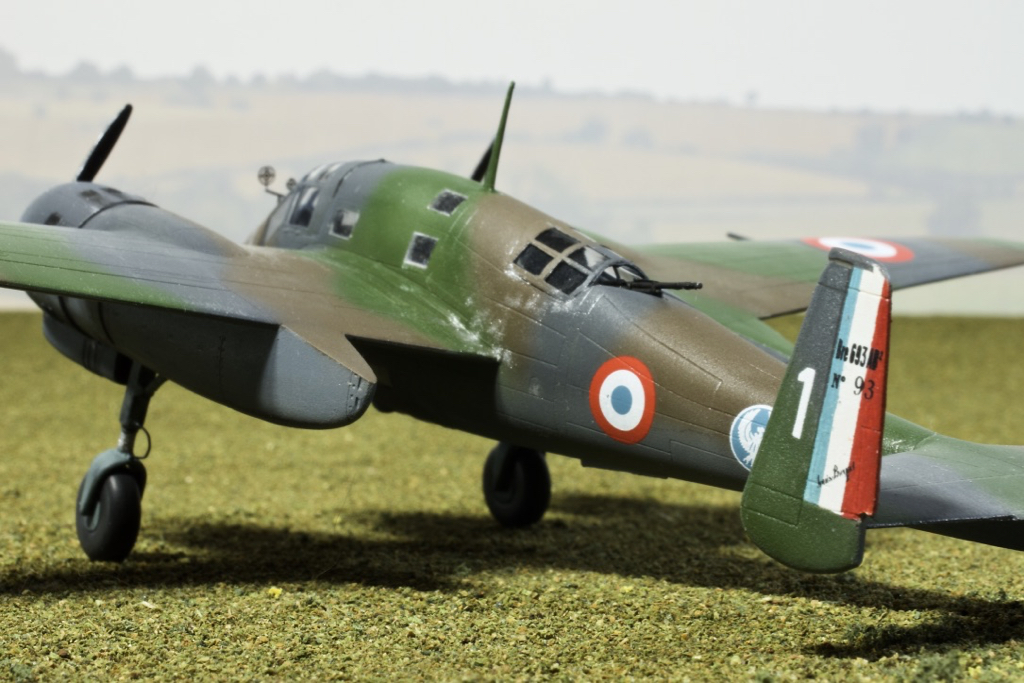
All the models in my collection are to 1/72nd scale. This is my preferred scale, and in all honesty some of the types are not readily available at larger scales. Even so, some aircraft are still pretty big. As I write, a lot of the larger aircraft remain unbuilt as I haven’t anywhere to display them!
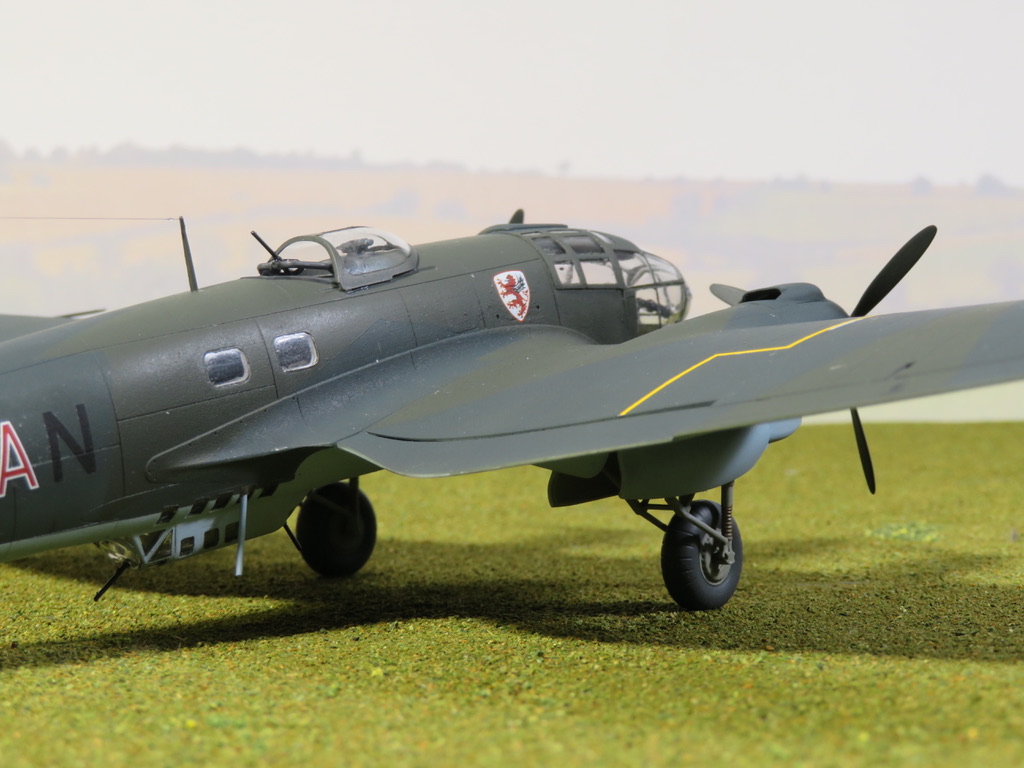
My preference is not to highlight specific aircraft or the personalities associated with them. If a fighter ace, for example, is featured it’s purely because the kit included the markings for them. I do try to seek out boxes that feature specific 1940 period markings, but I’m not averse to making up or acquiring markings if required.
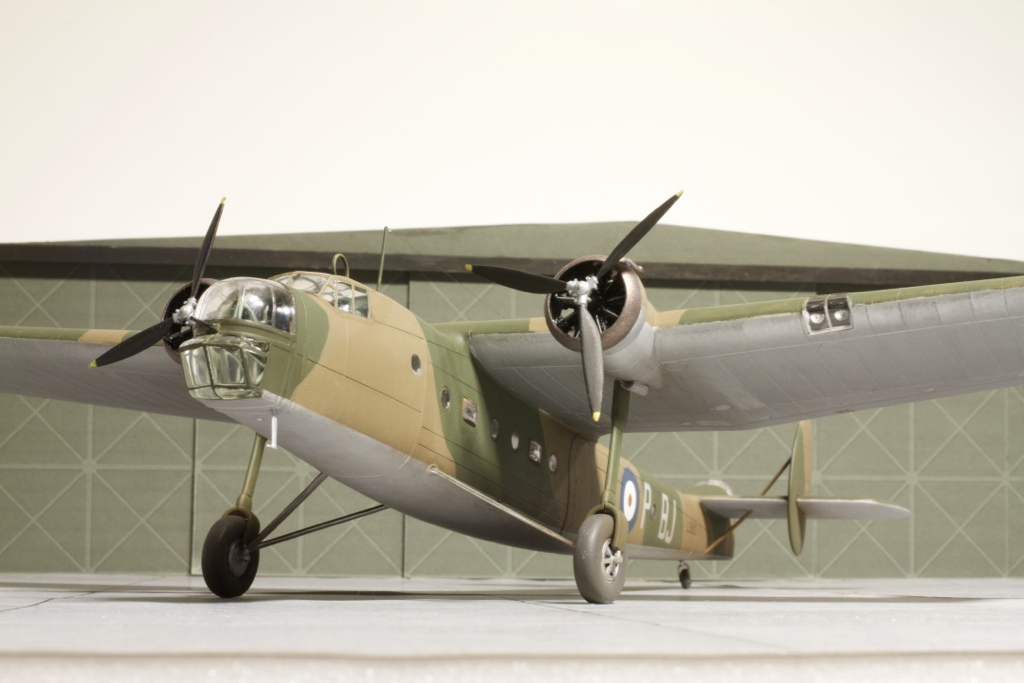
I don’t deep-dive research on aircraft these days, as most modern kits are fairly accurate and highly detailed out of the box. Equally, I don’t sweat the details like I once did. If the cockpit will be hard to see into, I don’t add every last detail only for it to be invisible in the display cabinet. I do try to track down useful photos and drawings where I can, where the Internet is a valuable resource these days. Painting relies on the paint manufacturers getting it more or less right. I try to be consistent with my paint choices, so if I am wrong I am at least consistently wrong across a range of models! My choice is to model cockpits empty and landing gear down. Flying boats and amphibians get appropriate beaching gear. An eye to potential photography diorama uses means doors, access ladders, open cockpits, etc, are sometimes modelled.
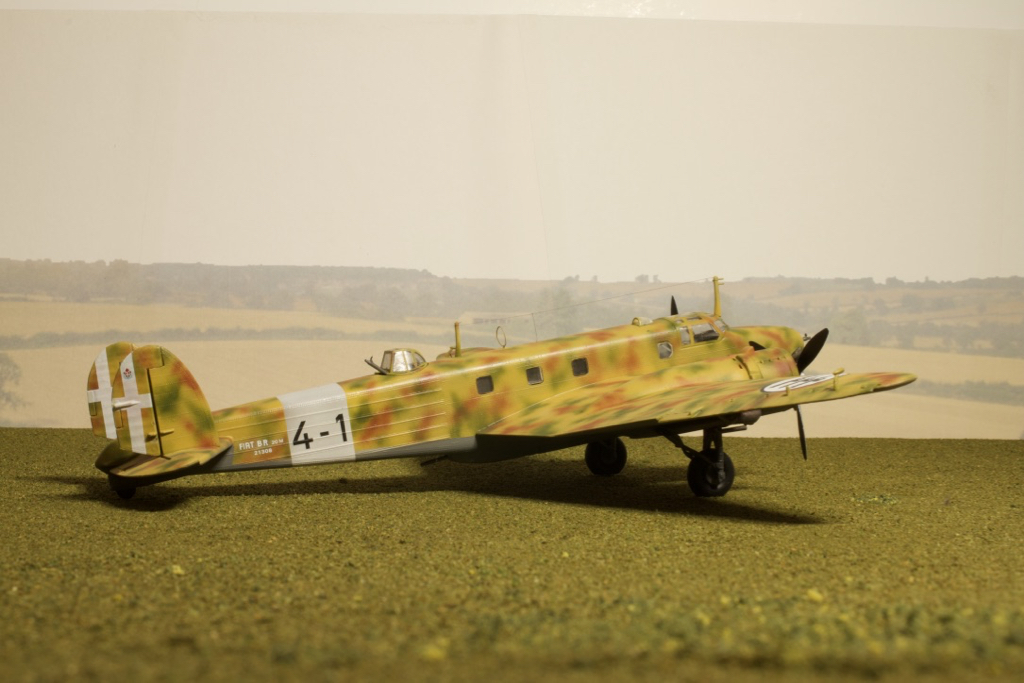
I am, by no means, an expert modeller. I try to build the best model I can, and occasionally make something I like to think would fit in a museum cabinet. Usually, I build to satisfy myself, and if other people find the results acceptable then I get some pleasure from that. I am also learning new building and finishing techniques as the obsession continues.
Other models
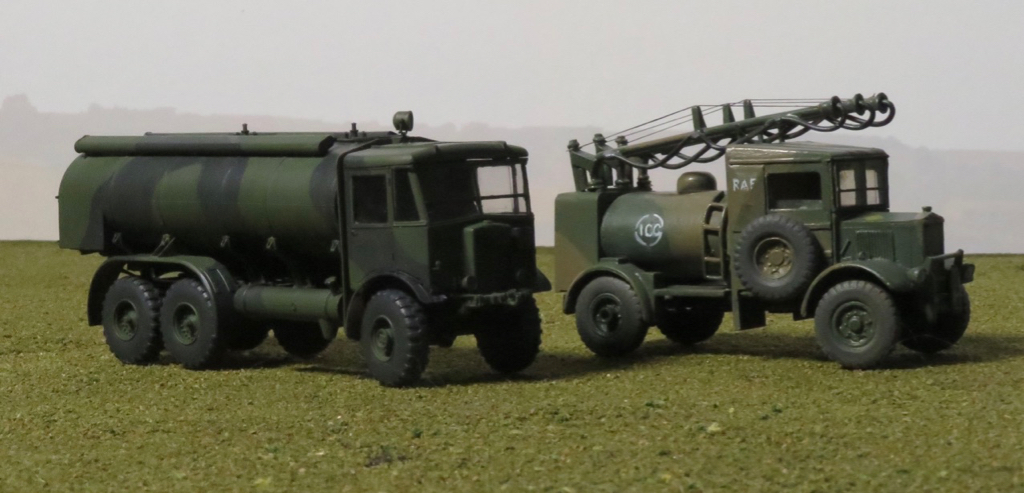
I have a fondness for taking photos of my finished models. I like to set them in a realistic environment, surrounded if possible with suitable details and vehicles to create little vignettes or dioramas. Researching period-correct vehicles for such “set dressing” is a hobby within a hobby, but I do think it’s important for an accurate representation.
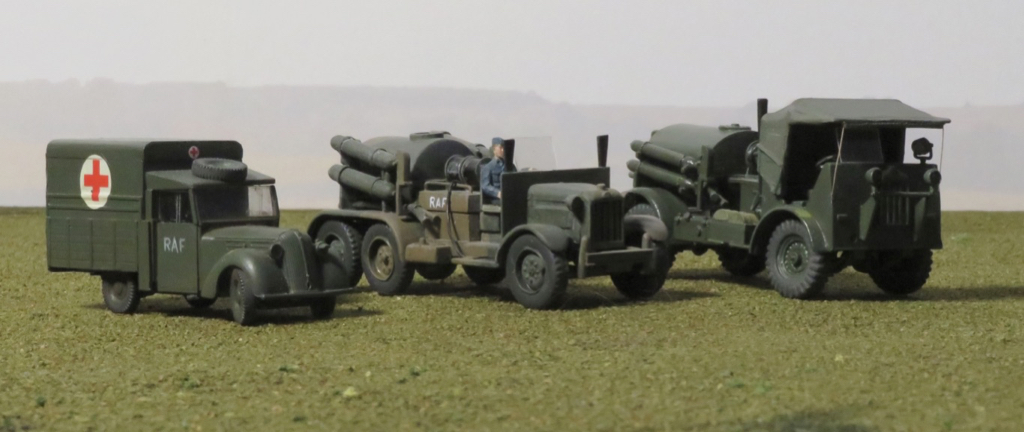
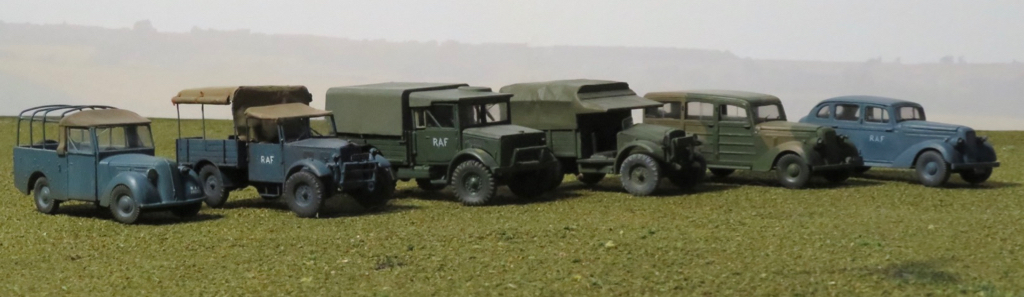

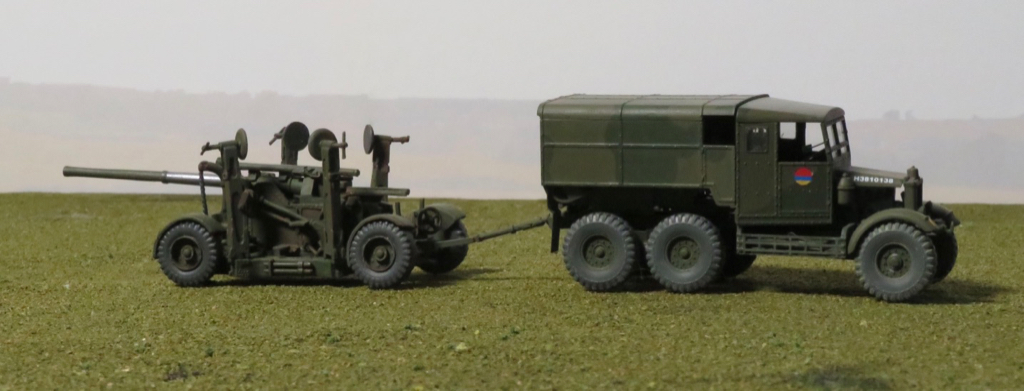
That’s enough!
As you can see, this is a real obsession. The scope and variety will keep me gainfully interested for several years yet. This is why I plan a new web site or blog so I can put these aircraft in the context of 1940, and hopefully tell the story of the first full year of the war. I hope to post about construction and finishing of the various models as well.
If you’ve made it this far, thank you. Normal bloggery will resume in due course.