I fell into professional modelmaking by accident. Various changes in my circumstances had meant my graphic design career path – such as it was – was very much declining.
When at a society meeting, a friend asked if I would build a model railway coach kit for him. He was impressed with the finished model, and suggested I talk to the kit manufacturer to see if they might find me more work. I did, and they did. Before I knew it, I had several months of work backed up.
I had become a professional modelmaker.
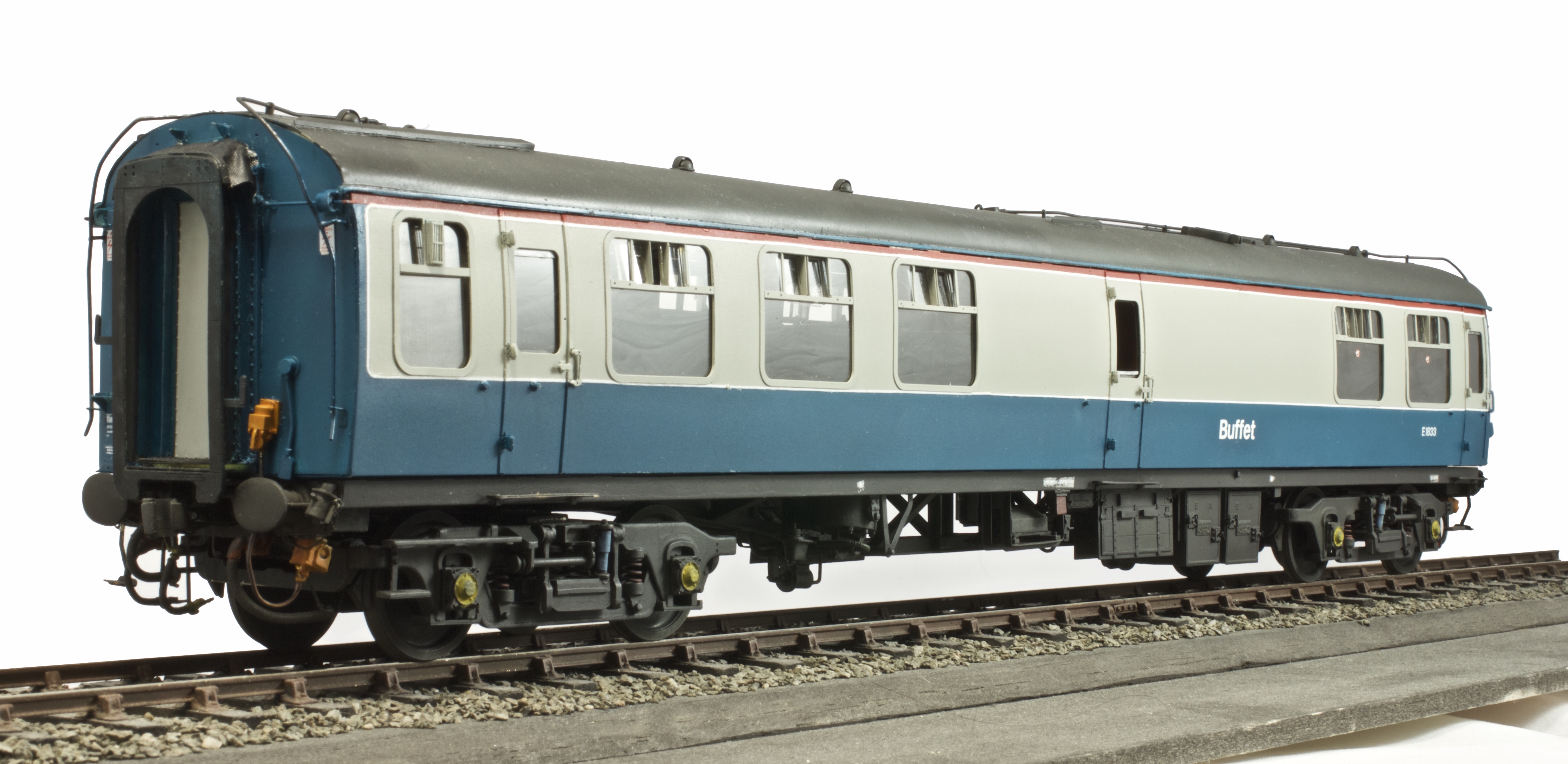
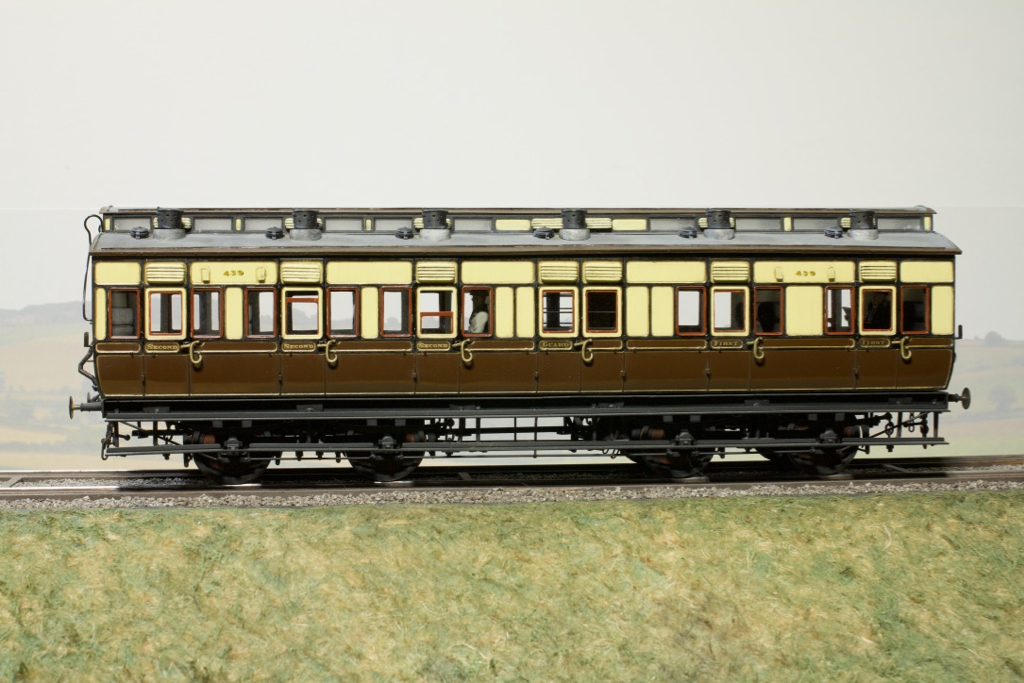
I specialised in 1/43rd scale, otherwise known as O Gauge, passenger coaches. Before long, I was approached to see if I would build steam and diesel locomotives. Not wishing to turn work down, I accepted.
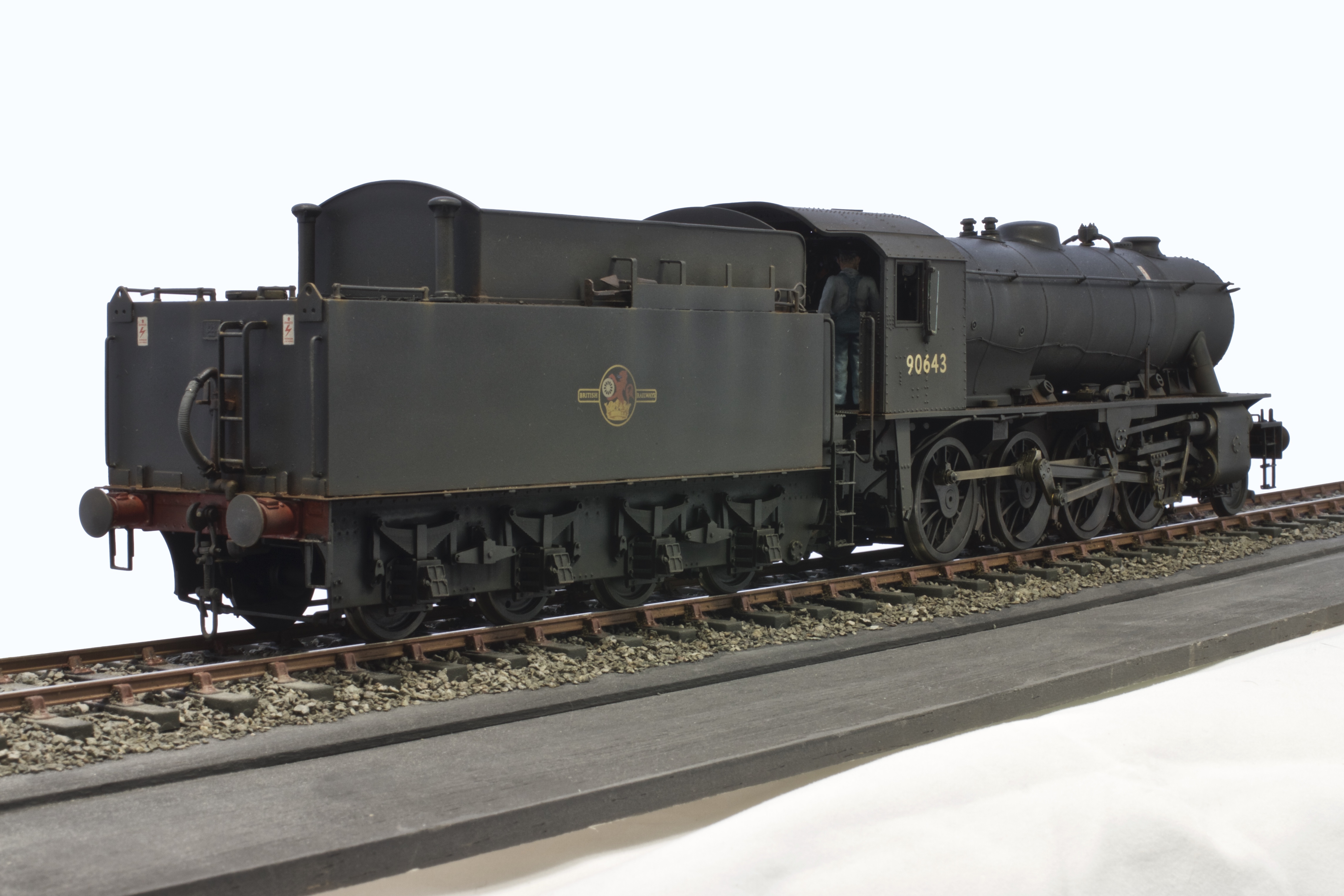
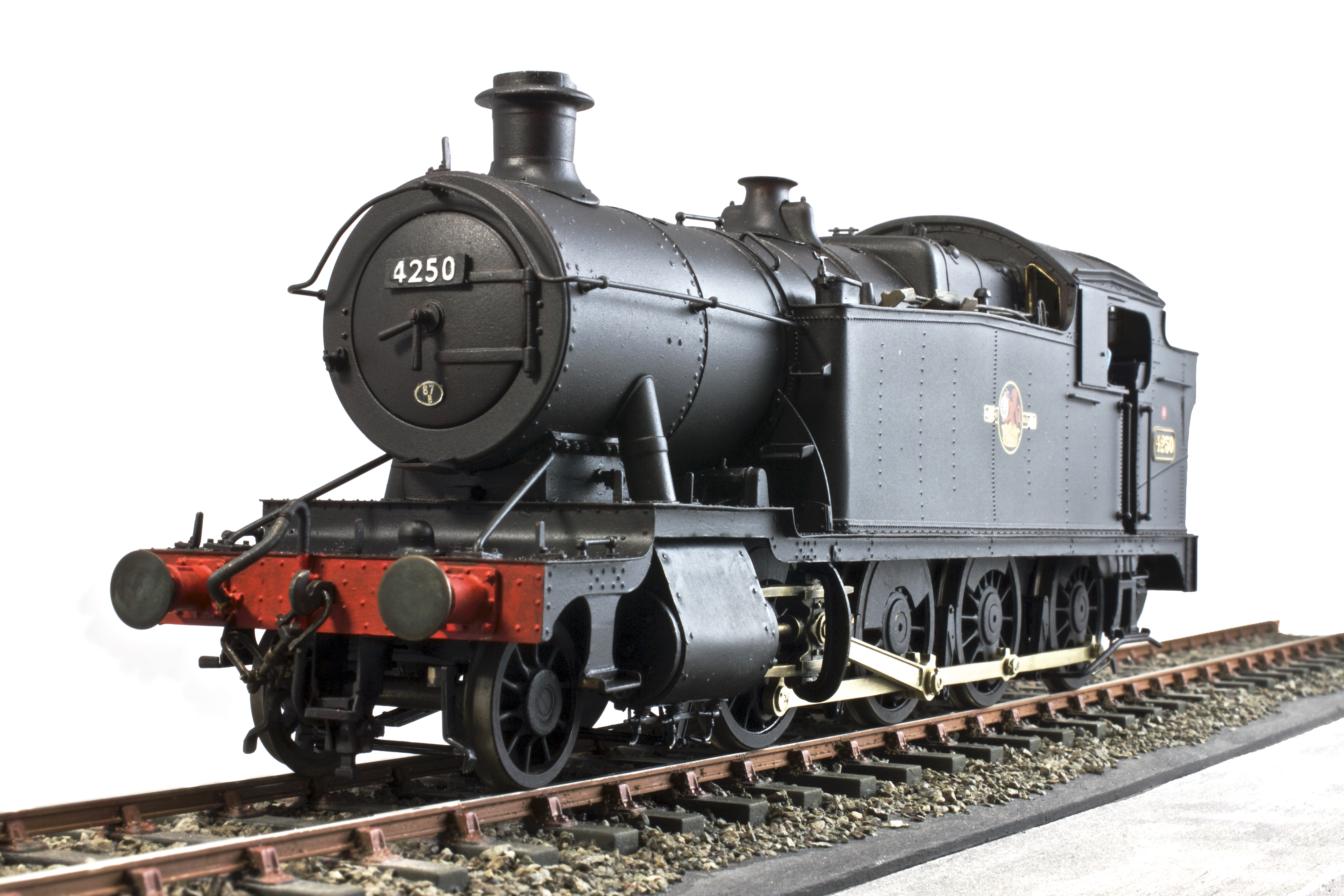
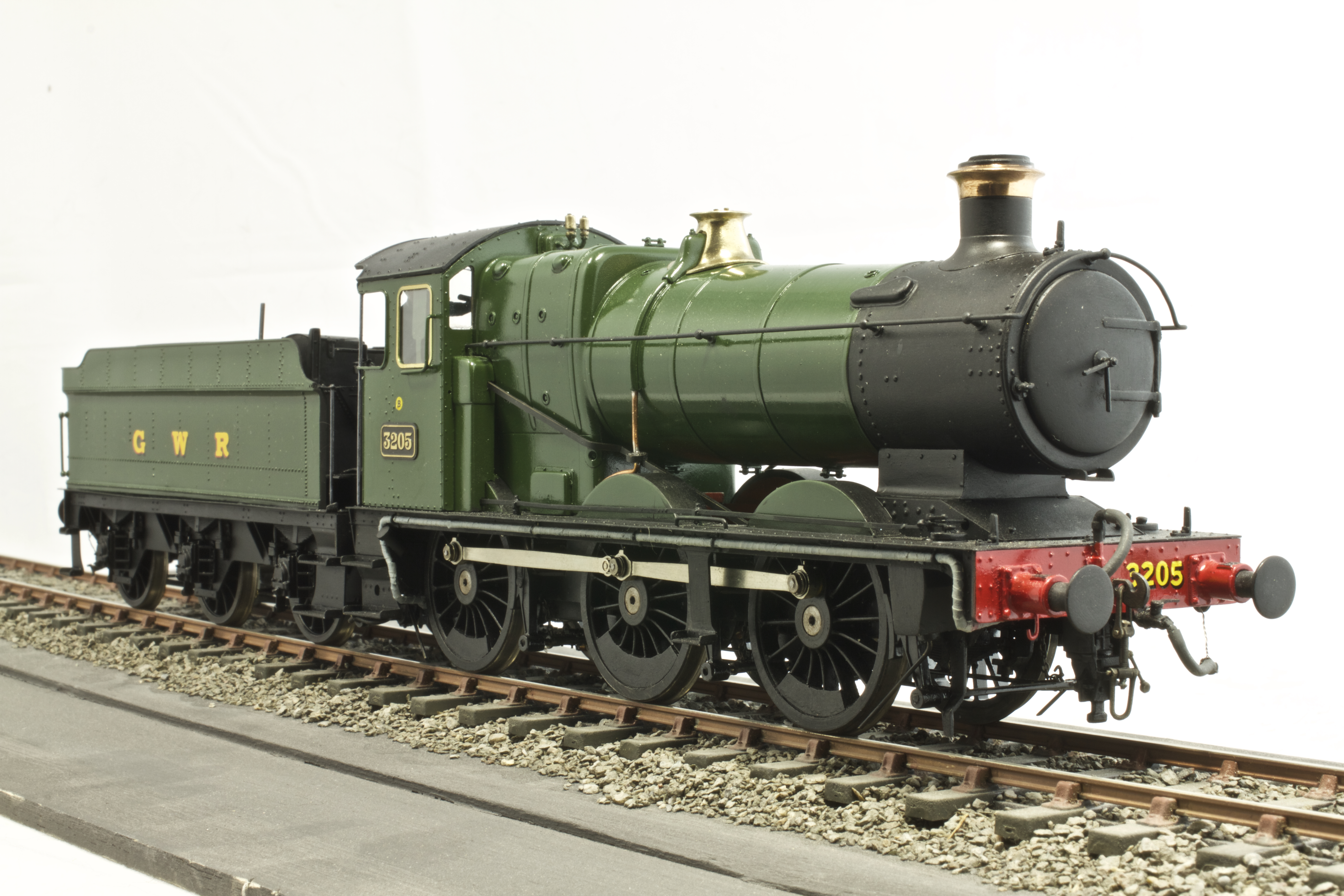
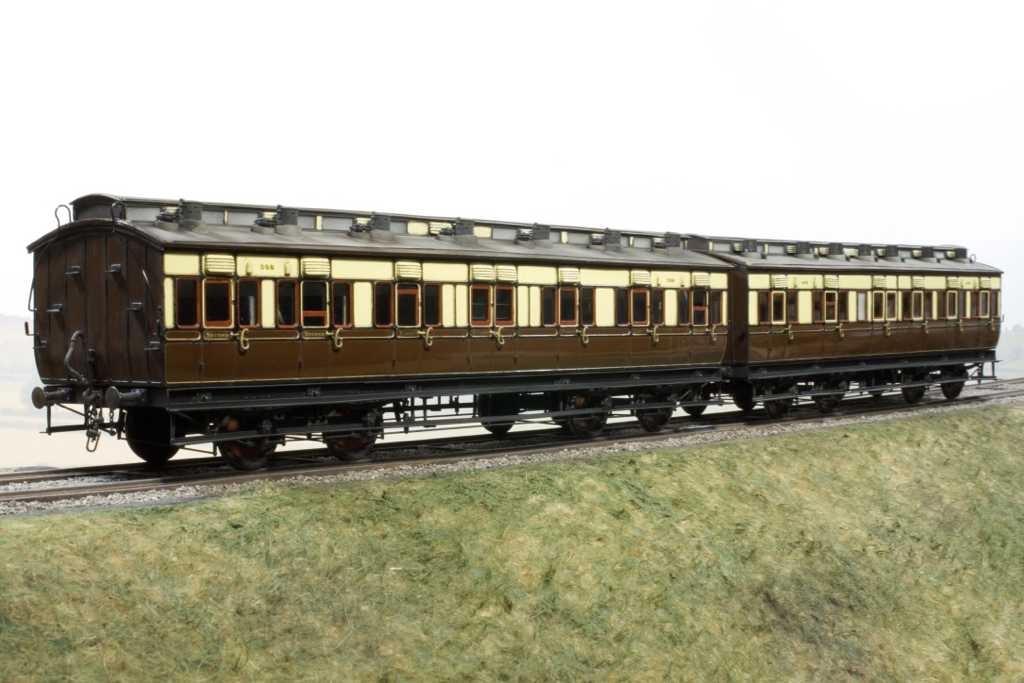
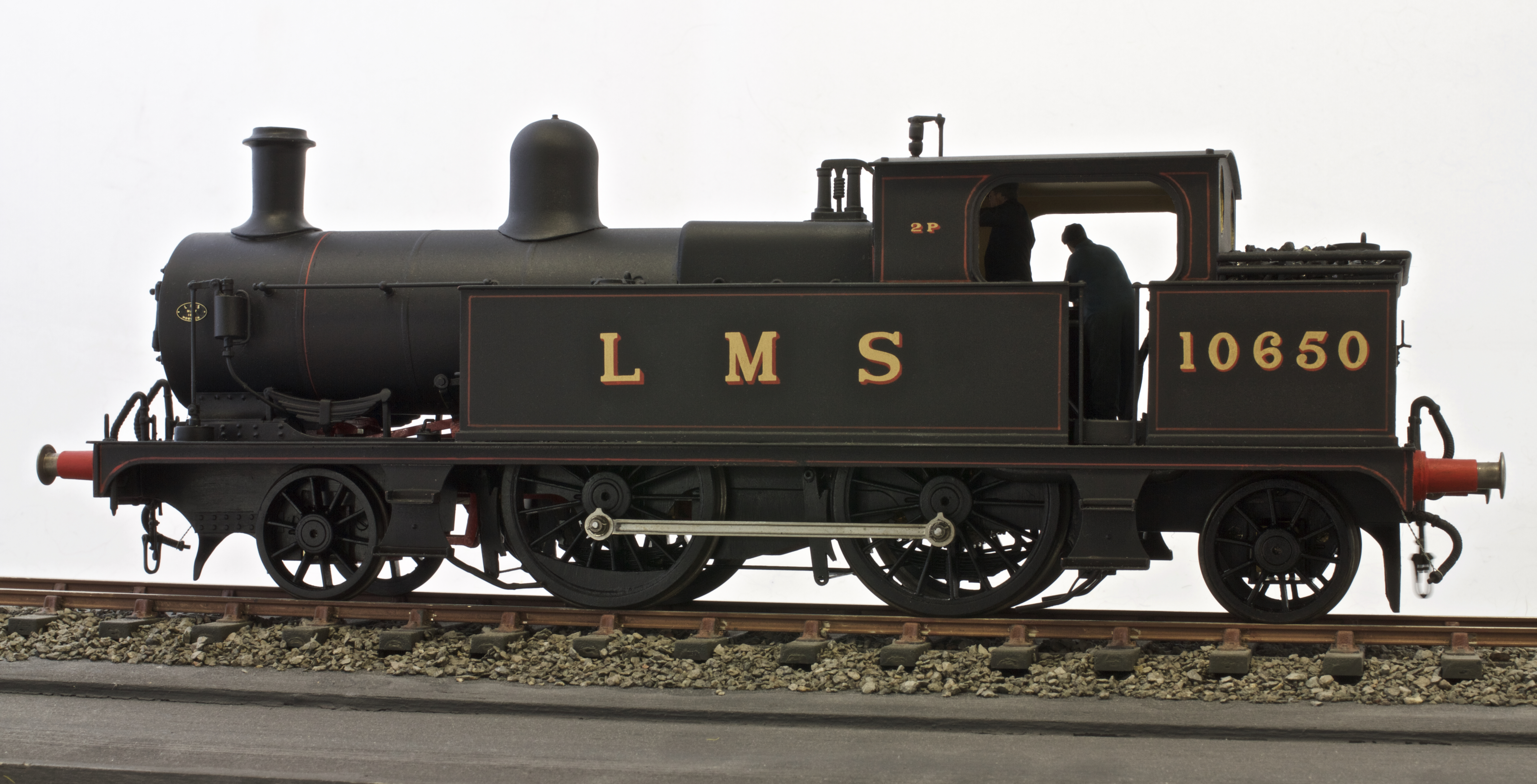
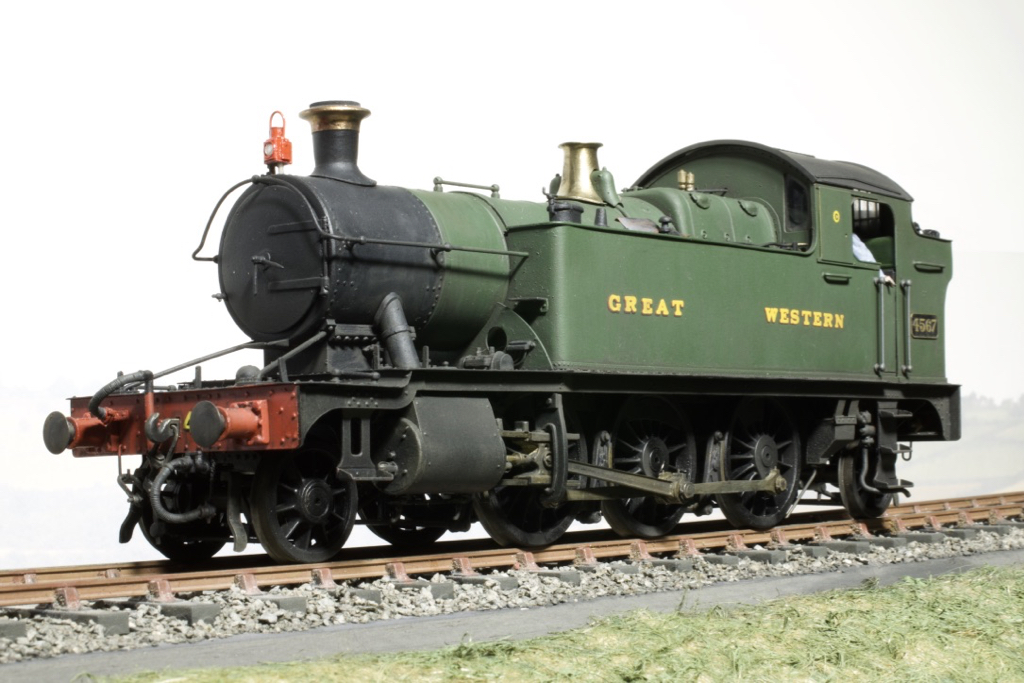
I began to develop quite a reputation. Not only was I a female model builder in a very male environment, people actually liked what I produced!
Being a modeller often goes hand in hand with loving details. I enjoyed fitting out the driving compartments of locomotives, and detailing the interiors of coaching stock – full in the knowledge that very little of it would be seen once the model was completed. It’s what I do, and I enjoy it. Take this O Gauge BR Southern Region Composite coach, for example.
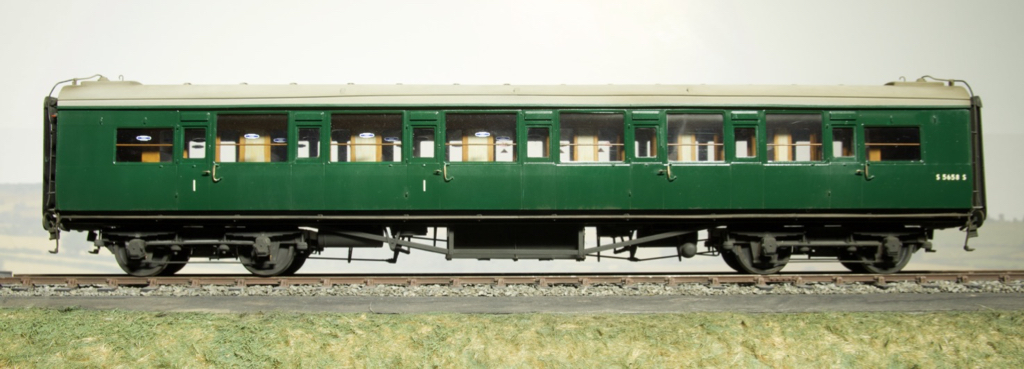
The kit provided an interior, at least as far as partitions and seats. Seats are normally just painted a colour that more or less equates to the upholstery colours used. I decided to go the extra mile, and reproduce the seat moquette in miniature.
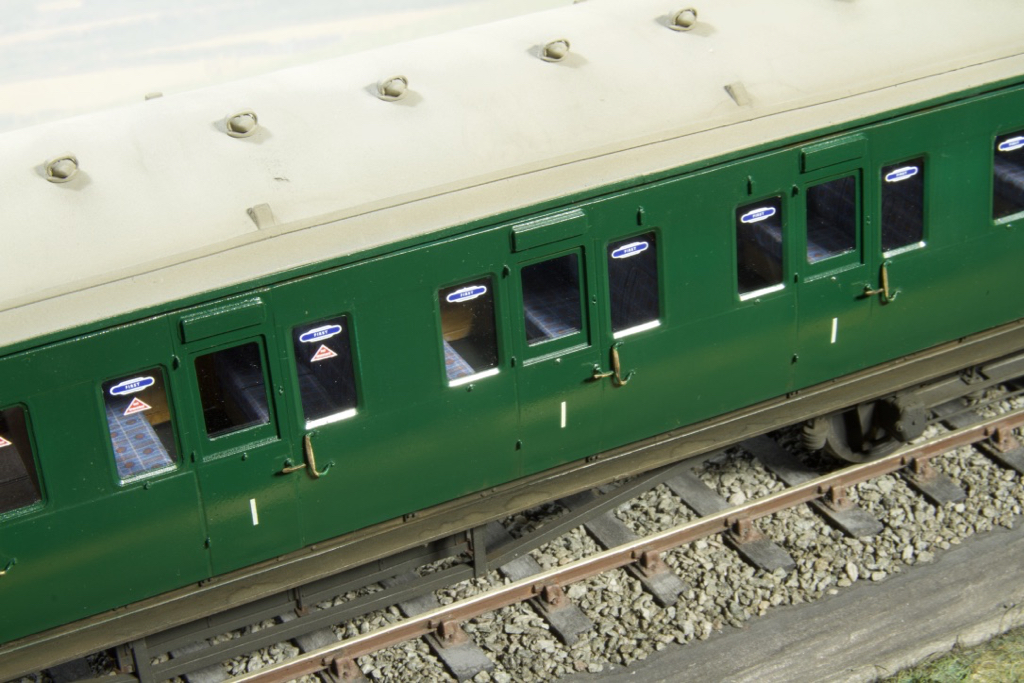
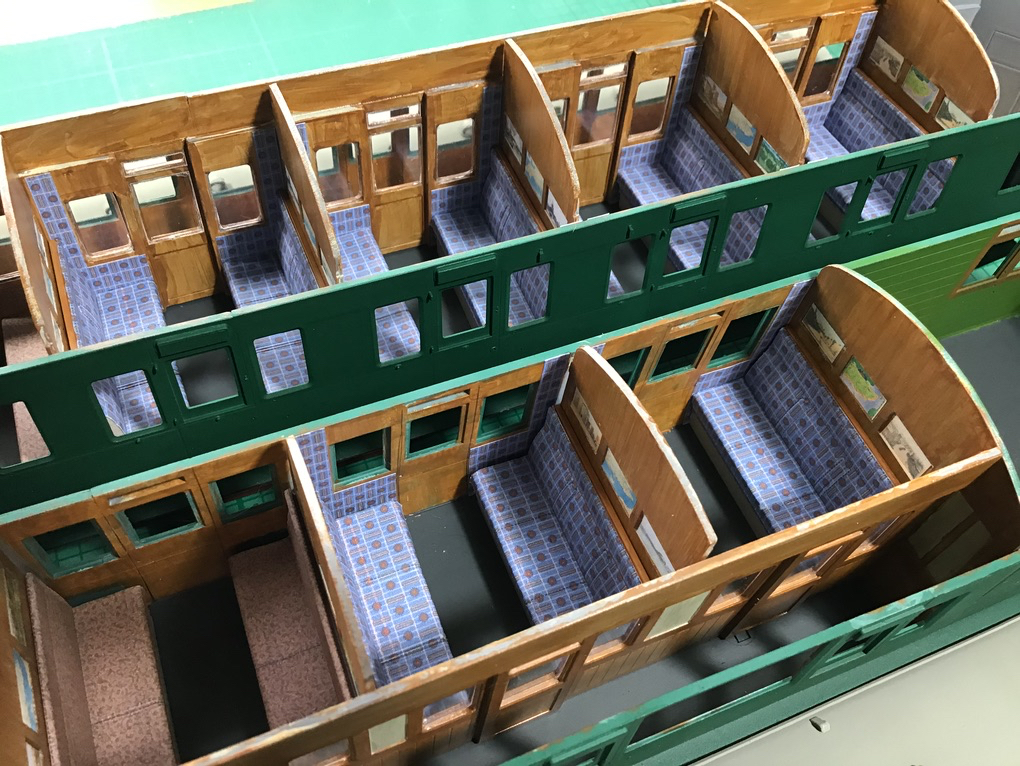
Madness. Utter madness. It does, however, lift the model from the ordinary.
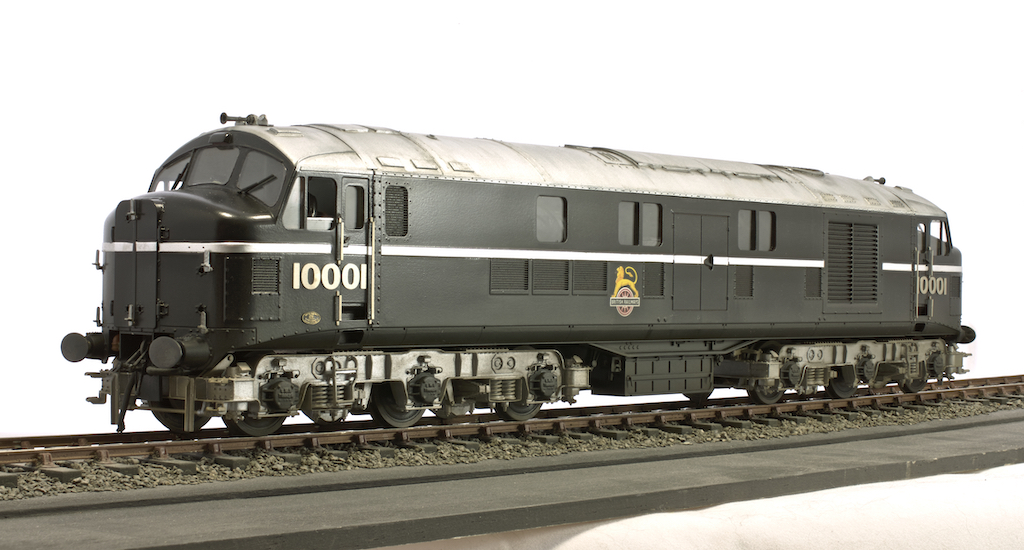
The madness extended to diesels. With the advent of CAD and 3D printing, it was possible to create scale versions of the diesel motor and associated generator equipment to go inside the models.
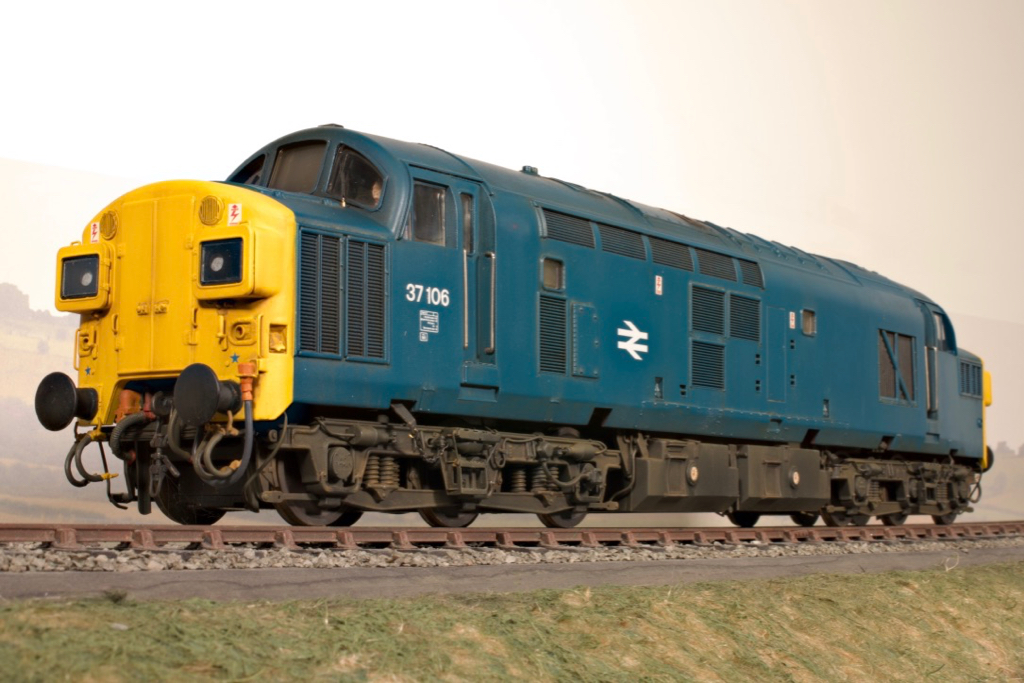
My problem is I am more the artist than engineer. While I was happy putting kits together – kits being made of photo-etched brass and nickel silver, with cast details in whitemetal and brass, that generally required forming tools and soldering irons – and happy making tiny little details never to be seen again, I was much less happy making the perishing things go. Model locomotives are generally expected to run on rails, and many clients also wanted their toys to make the right noises as well. Luckily, I had colleagues in the “business” who were happy to take my commission to do those complicated things for me.
I decided, eventually, to no longer take loco commissions, and instead concentrate on coaches and other rolling stock. Now, I’ve decided to no longer take any commissions. Once I have cleared the backlog of builds that will be me retired. Time to enjoy other things in life, before it’s too late!
The next post will look at one obsession that’s rather dominating my hobby life.
Well those are obviously an exercise in both precision and patience that I can only admire. All my childhood Airfix WW11 planes ended up as glue-smeared, torn-transfered and badly painted messes!
The gluey messes was part of the fun. I still manage it occasionally. Having to strip a paint job that’s gone wrong is galling, but one of those things.